Our Materials
Materials Expertise

Our Materials

From alloy and carbon steels to stainless, chrome, and nickel alloys—discover the right material for your toughest challenges. Dive deep into grades, properties, and applications.

Build With Confidence

Metals For Every Application

We supply a comprehensive range of steel and alloy products, each engineered for specific performance in demanding environments. Explore the categories below to learn more about their unique characteristics and available grades.

⚙️

Alloy Steel

High-strength steels engineered for demanding applications

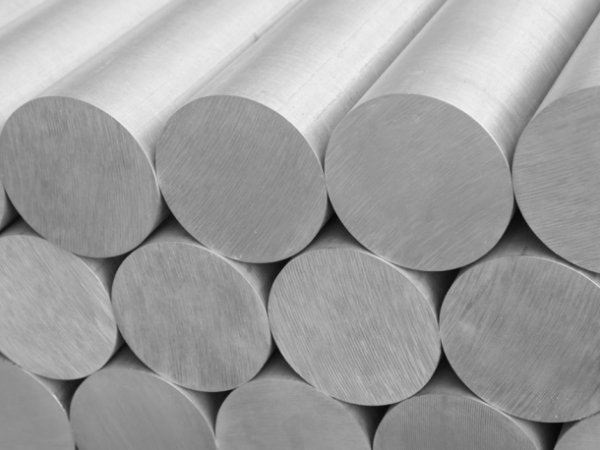
A steel alloy is created when other metals are added to the basic combination of iron and carbon, improving its properties. Looking for higher strength, corrosion resistance or better response to heat treatment? There's an alloy for that. When the percentage of alloy material is below the level indicated by specialized terms such as 'chrome' or 'stainless,' the product is simply called 'alloy steel.'

Key Characteristics

  • Enhanced strength through alloying elements
  • Improved heat treatment response
  • Better wear resistance

Applications

  • Drilling equipment
  • Tubing and casing
  • Mechanical components
Explore Alloy Steel Grades

Available Grades (6)

4130
Medium-strength alloy steel with chromium and molybdenum
4140
Strong alloy steel with excellent fatigue resistance
4145
High-carbon alloy steel for maximum strength
4330 V-MOD
Ultra-high strength alloy with vanadium for toughness
4340
Premium alloy for highest strength applications
8630MOD
Modified alloy with enhanced core properties
🔨

Carbon Steel

Versatile carbon steel grades for general applications

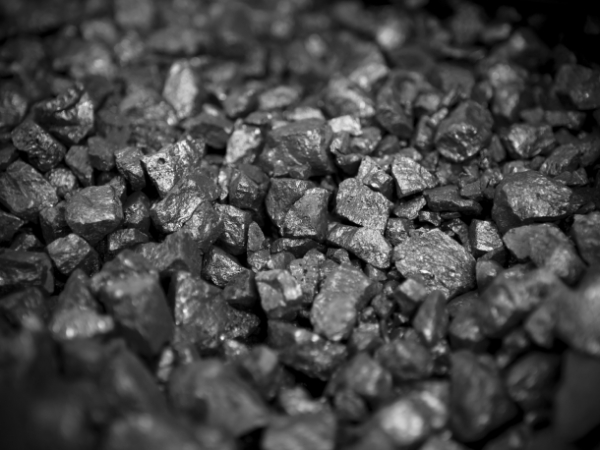
By definition, all steel is a mixture of iron and carbon. Steel to which no alloy elements have been added is called 'carbon steel.' It's been at least 4,000 years since people discovered that adding a controlled amount of carbon to iron created a new kind of metal — one that was strong, held a sharp edge and could bend without breaking. At Continental, we live and breathe specialized metallurgical chemistries. But at the end of the day, we think good old steel is still pretty exciting.

Key Characteristics

  • Fundamental iron-carbon combination
  • No specialized alloy additions
  • Cost-effective material

Applications

  • General mechanical tubing
  • OCTG applications (J55, K55, N80)
  • Structural components
Explore Carbon Steel Grades

Available Grades (6)

1018
Low-carbon steel for general mechanical applications
1026
Medium-carbon steel with good balance of properties
8620
Nickel-chromium-molybdenum carbon steel
J55
Low-strength OCTG for shallow wells
K55
Intermediate-strength OCTG grade
N80
High-strength OCTG for demanding conditions

Stainless Steel

Corrosion-resistant stainless steel for harsh environments

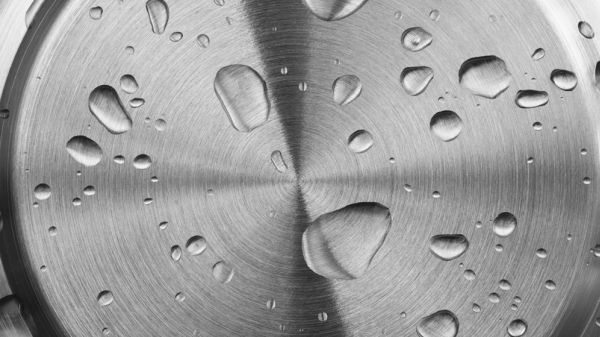
Stainless steel is alloy steel to which at least 10.5% chromium has been added, making the material stain-resistant. When corrosion resistance is a priority, you need stainless steel. Continental will analyze your working environment and supply the best and most cost-effective stainless alloy for the conditions. The combination of chromium, nickel and other elements can be tailored to any unique situation.

Key Characteristics

  • Minimum 10.5% chromium content
  • Excellent corrosion resistance
  • Passivation layer provides protection

Applications

  • Corrosive downhole environments
  • Saltwater applications
  • Chloride-containing atmospheres
Explore Stainless Steel Grades

Available Grades (4)

304
Austenitic stainless with good corrosion resistance
316
Molybdenum-enhanced stainless for improved corrosion resistance
17-4
Precipitation-hardening stainless steel
410
Martensitic stainless with good hardness and wear resistance
🛡️

Chrome Steel

Chrome-enhanced steels for oil and gas applications

These metals are used in mildly corrosive environments containing chlorides, carbon dioxide and low hydrogen sulphate concentrations. Chromium is a hard metal that adds corrosion resistance when alloyed with steel. Alone, it polishes to a mirror-like shine — that's why it's often used as decorative plating, where it's called 'chrome.' For oil and gas industry steel products, Continental adds varying quantities of chromium to molten steel to create the best and most cost-effective alloy solutions.

Key Characteristics

  • Higher chromium content than alloy steels
  • Improved corrosion resistance
  • Cost-effective alternative to stainless

Applications

  • CO2 environments
  • Mildly saline conditions
  • Low hydrogen sulphate exposure
Explore Chrome Steel Grades

Available Grades (3)

9CR
Low-chromium alloy for modest corrosion protection
13CR
Medium-chromium alloy with good corrosion resistance
25CR
High-chromium alloy for enhanced corrosion protection
💎

Nickel Alloys

Premium nickel alloys for extreme environments

Nickel alloys are extremely corrosion-resistant, even at very high strength levels. When customers ask for the ultimate in toughness and corrosion resistance, Continental answers with nickel alloys. Complex down-hole tools and lining or cladding for pipes, storage vessels, well-heads and assemblies are typical nickel applications. Nickel is weldable, and plays nicely with steel.

Key Characteristics

  • Extreme corrosion resistance
  • Superior toughness at high strength
  • High-temperature capability

Applications

  • Extreme corrosive environments
  • High-pressure, high-temperature wells
  • Highly sour service (H2S)
Explore Nickel Alloys Grades

Available Grades (5)

625
Nickel-chromium-molybdenum superalloy
718
Precipitation-hardening nickel alloy
825
Nickel-iron-chromium alloy for harsh conditions
925
Advanced nickel alloy for extreme sour service
K500
Precipitation-hardening nickel-copper alloy

Material Grades Deep Dive

Get detailed information on every grade we offer, including chemical composition, mechanical properties, standards, and recommended applications.

⚙️ Alloy Steel Grades

4130 SAE 4130
Medium-strength alloy steel with chromium and molybdenum
Composition:
  • Carbon: 0.28-0.33%
  • Manganese: 0.40-0.60%
  • Chromium: 0.80-1.10%
  • Molybdenum: 0.15-0.25%
Properties:
  • Tensile Strength: 635-750 MPa
  • Yield Strength: 535-650 MPa
  • Elongation: 20%
  • Hardness: 181-217 HB
Standards: ASTM A322, ASTM A519
Applications: Tubing, Structural components, Machinery parts
Heat Treatment: Quench and temper for optimized properties
4140 SAE 4140
Strong alloy steel with excellent fatigue resistance
Composition:
  • Carbon: 0.38-0.43%
  • Manganese: 0.75-1.00%
  • Chromium: 0.80-1.10%
  • Molybdenum: 0.15-0.25%
Properties:
  • Tensile Strength: 1000-1380 MPa
  • Yield Strength: 725-900 MPa
  • Elongation: 18%
  • Hardness: 280-350 HB (annealed)
Standards: ASTM A322, ASTM A693
Applications: Shafts, Bolts, High-strength fasteners
Heat Treatment: Must be heat-treated for full strength
4145 SAE 4145
High-carbon alloy steel for maximum strength
Composition:
  • Carbon: 0.43-0.48%
  • Manganese: 0.75-1.00%
  • Chromium: 0.80-1.10%
  • Molybdenum: 0.15-0.25%
Properties:
  • Tensile Strength: 1100-1450 MPa
  • Yield Strength: 825-975 MPa
  • Elongation: 16%
  • Hardness: 310-380 HB
Standards: ASTM A322
Applications: Heavy-duty fasteners, Spring components
Heat Treatment: Requires heat treatment for service
4330 V-MOD AISI 4330 V-MOD
Ultra-high strength alloy with vanadium for toughness
Composition:
  • Carbon: 0.28-0.33%
  • Manganese: 0.75-0.95%
  • Chromium: 0.70-0.95%
  • Molybdenum: 0.25-0.35%
  • Vanadium: 0.06-0.12%
Properties:
  • Tensile Strength: 1310-1450 MPa
  • Yield Strength: 1100-1200 MPa
  • Elongation: 15%
  • Hardness: 385-415 HB
Standards: API Spec 5CT, API 6A
Applications: Downhole tools, High-pressure equipment, Deep-well drilling
Heat Treatment: Critical for achieving required properties
4340 SAE 4340
Premium alloy for highest strength applications
Composition:
  • Carbon: 0.38-0.43%
  • Manganese: 0.60-0.80%
  • Chromium: 0.70-0.90%
  • Molybdenum: 0.20-0.30%
  • Nickel: 1.65-2.00%
Properties:
  • Tensile Strength: 1310-1450 MPa
  • Yield Strength: 1100-1200 MPa
  • Elongation: 15%
  • Hardness: 380-430 HB
Standards: ASTM A322, MIL-S-6724
Applications: Critical fasteners, Landing gear, Aerospace components
Heat Treatment: Specialized heat treatment required
8630MOD 8630 Modified
Modified alloy with enhanced core properties
Composition:
  • Carbon: 0.28-0.33%
  • Manganese: 0.70-0.90%
  • Nickle: 0.35-0.55%
  • Chromium: 0.40-0.60%
  • Molybdenum: 0.20-0.30%
Properties:
  • Tensile Strength: 900-1050 MPa
  • Yield Strength: 725-825 MPa
  • Elongation: 18%
  • Hardness: 260-310 HB
Standards: ASTM A322
Applications: Structural tubing, Medium-strength components
Heat Treatment: Heat treatment recommended

🔨 Carbon Steel Grades

1018 AISI 1018
Low-carbon steel for general mechanical applications
Composition:
  • Carbon: 0.15-0.20%
  • Manganese: 0.60-0.90%
  • Sulfur: ≤0.05%
  • Phosphorus: ≤0.04%
Properties:
  • Tensile Strength: 440-540 MPa
  • Yield Strength: 370-470 MPa
  • Elongation: 25-30%
  • Hardness: 110-140 HB
Standards: ASTM A108, ASTM A519
Applications: Mechanical bar, Tubing, Case-hardened parts
Heat Treatment: Optional; typically used as-rolled
1026 AISI 1026
Medium-carbon steel with good balance of properties
Composition:
  • Carbon: 0.22-0.28%
  • Manganese: 0.60-0.90%
  • Sulfur: ≤0.05%
  • Phosphorus: ≤0.04%
Properties:
  • Tensile Strength: 510-640 MPa
  • Yield Strength: 400-530 MPa
  • Elongation: 20-25%
  • Hardness: 140-190 HB
Standards: ASTM A108
Applications: Mechanical components, Medium-strength tubing
Heat Treatment: Can be heat-treated for improved properties
8620 AISI 8620
Nickel-chromium-molybdenum carbon steel
Composition:
  • Carbon: 0.18-0.23%
  • Manganese: 0.60-0.80%
  • Nickel: 0.40-0.70%
  • Chromium: 0.30-0.50%
  • Molybdenum: 0.15-0.25%
Properties:
  • Tensile Strength: 500-640 MPa
  • Yield Strength: 400-530 MPa
  • Elongation: 20-25%
  • Hardness: 140-192 HB
Standards: ASTM A322
Applications: Case-hardened components, Gears, Bearing races
Heat Treatment: Requires case-hardening
J55 API 5CT J55
Low-strength OCTG for shallow wells
Composition:
  • Carbon: ≤0.30%
  • Manganese: 0.70-1.20%
  • Phosphorus: ≤0.025%
  • Sulfur: ≤0.025%
Properties:
  • Tensile Strength: 379-448 MPa
  • Yield Strength: 379 MPa
  • Elongation: ≥15%
  • Hardness: 140-170 HB
Standards: API Spec 5CT
Applications: Shallow well casing, Tubing in low-pressure systems
Heat Treatment: No heat treatment required
K55 API 5CT K55
Intermediate-strength OCTG grade
Composition:
  • Carbon: ≤0.35%
  • Manganese: 0.70-1.20%
  • Phosphorus: ≤0.025%
  • Sulfur: ≤0.025%
Properties:
  • Tensile Strength: 448-552 MPa
  • Yield Strength: 379-448 MPa
  • Elongation: ≥15%
  • Hardness: 165-195 HB
Standards: API Spec 5CT
Applications: Standard well casing, General-purpose tubing
Heat Treatment: No heat treatment required
N80 API 5CT N80
High-strength OCTG for demanding conditions
Composition:
  • Carbon: 0.25-0.35%
  • Manganese: 0.75-1.20%
  • Phosphorus: ≤0.025%
  • Sulfur: ≤0.025%
Properties:
  • Tensile Strength: 552-689 MPa
  • Yield Strength: 552 MPa
  • Elongation: ≥15%
  • Hardness: 195-235 HB
Standards: API Spec 5CT
Applications: Deep well drilling, High-pressure applications
Heat Treatment: Can be heat-treated for enhanced properties

Stainless Steel Grades

304 AISI 304 Stainless Steel
Austenitic stainless with good corrosion resistance
Composition:
  • Carbon: ≤0.08%
  • Chromium: 18.00-20.00%
  • Nickel: 8.00-10.50%
  • Manganese: ≤2.00%
Properties:
  • Tensile Strength: 515-620 MPa
  • Yield Strength: 170-310 MPa
  • Elongation: ≥30%
  • Hardness: 95-105 HB
Standards: ASTM A276, ASTM A479
Applications: General corrosion resistance, Chemical processing, Decorative applications
Corrosion Resistance: Good in most non-oxidizing acids and organic compounds
316 AISI 316 Stainless Steel
Molybdenum-enhanced stainless for improved corrosion resistance
Composition:
  • Carbon: ≤0.08%
  • Chromium: 16.00-18.00%
  • Nickel: 10.00-14.00%
  • Molybdenum: 2.00-3.00%
Properties:
  • Tensile Strength: 515-620 MPa
  • Yield Strength: 170-310 MPa
  • Elongation: ≥30%
  • Hardness: 95-105 HB
Standards: ASTM A276, ASTM A479
Applications: Chloride environments, Offshore applications, High-purity processing
Corrosion Resistance: Superior to 304, especially in chloride-containing solutions
17-4 ASTM A564 Grade 630 (17-4 PH)
Precipitation-hardening stainless steel
Composition:
  • Carbon: 0.04%
  • Chromium: 15.50-17.50%
  • Nickel: 3.00-5.00%
  • Copper: 3.00-5.00%
  • Niobium: 0.15-0.45%
Properties:
  • Tensile Strength: 1310-1450 MPa
  • Yield Strength: 900-1000 MPa
  • Elongation: 10%
  • Hardness: 410-450 HB
Standards: ASTM A564, AMS 5604
Applications: High-strength corrosion-resistant parts, Fasteners, Springs
Corrosion Resistance: Excellent general corrosion resistance with high strength
410 AISI 410 Stainless Steel
Martensitic stainless with good hardness and wear resistance
Composition:
  • Carbon: 0.08-0.13%
  • Chromium: 11.50-13.50%
  • Manganese: ≤1.00%
Properties:
  • Tensile Strength: 620-790 MPa
  • Yield Strength: 310-520 MPa
  • Elongation: 18-25%
  • Hardness: 186-250 HB
Standards: ASTM A276, ASTM A479
Applications: Cutlery, Turbine blades, Pump shafts
Corrosion Resistance: Good in mild corrosive environments, less resistant than austenitic grades

🛡️ Chrome Steel Grades

9CR 9% Chromium Steel
Low-chromium alloy for modest corrosion protection
Composition:
  • Carbon: 0.08-0.13%
  • Chromium: 8.50-9.50%
  • Molybdenum: 0.85-1.15%
  • Vanadium: 0.18-0.30%
Properties:
  • Tensile Strength: 650-850 MPa
  • Yield Strength: 440-620 MPa
  • Elongation: 15-20%
  • Hardness: 210-270 HB
Standards: ASTM A387
Applications: Low-temperature service, Power plant applications
Corrosion Resistance: Moderate resistance in mildly corrosive CO2 environments
13CR 13% Chromium (420 MOD)
Medium-chromium alloy with good corrosion resistance
Composition:
  • Carbon: 0.17-0.23%
  • Chromium: 12.00-14.00%
  • Molybdenum: 0.90-1.10%
  • Phosphorus: ≤0.025%
  • Sulfur: ≤0.015%
Properties:
  • Tensile Strength: 689-862 MPa
  • Yield Strength: 517-724 MPa
  • Elongation: ≥15%
  • Hardness: 225-280 HB
Standards: API Spec 5CT L-80 Type 1
Applications: CO2 well service, Mildly corrosive wells, OCTG applications
Corrosion Resistance: Good resistance to CO2 and low H2S in mild conditions
25CR 25% Chromium Steel
High-chromium alloy for enhanced corrosion protection
Composition:
  • Carbon: 0.15-0.25%
  • Chromium: 24.00-26.00%
  • Molybdenum: 3.00-3.50%
  • Nitrogen: 0.35-0.50%
Properties:
  • Tensile Strength: 860-1000 MPa
  • Yield Strength: 690-830 MPa
  • Elongation: 12-16%
  • Hardness: 280-320 HB
Standards: ASTM A276, ASTM A479
Applications: Severe corrosion resistance, Duplex stainless applications
Corrosion Resistance: Excellent resistance to pitting and crevice corrosion

💎 Nickel Alloys Grades

625 Inconel 625 (UNS N06625)
Nickel-chromium-molybdenum superalloy
Composition:
  • Nickel: 58.00% (min)
  • Chromium: 20.00-23.00%
  • Molybdenum: 8.00-10.00%
  • Cobalt: ≤1.00%
  • Iron: ≤5.00%
Properties:
  • Tensile Strength: 710-760 MPa
  • Yield Strength: 345-450 MPa
  • Elongation: ≥30%
  • Hardness: 190-215 HB
Standards: ASTM B571, ASTM B574, ASME SB-574
Applications: Extreme corrosive environments, Sour service, Subsea components
Corrosion Resistance: Outstanding resistance to pitting, crevice corrosion, and H2S attack
718 Inconel 718 (UNS N07718)
Precipitation-hardening nickel alloy
Composition:
  • Nickel: 50.00-55.00%
  • Chromium: 17.00-21.00%
  • Iron: Remainder
  • Molybdenum: 2.80-3.30%
  • Niobium: 4.75-5.50%
Properties:
  • Tensile Strength: 1380-1450 MPa
  • Yield Strength: 970-1100 MPa
  • Elongation: 12-18%
  • Hardness: 410-450 HB
Standards: ASTM B637, AMS 5662
Applications: High-temperature downhole, Critical fasteners, Extreme pressure service
Corrosion Resistance: Excellent corrosion resistance combined with high strength
825 Incoloy 825 (UNS N08825)
Nickel-iron-chromium alloy for harsh conditions
Composition:
  • Nickel: 38.00-46.00%
  • Iron: Remainder
  • Chromium: 19.50-23.50%
  • Molybdenum: 2.50-3.50%
  • Copper: 1.50-3.50%
Properties:
  • Tensile Strength: 515-690 MPa
  • Yield Strength: 205-415 MPa
  • Elongation: ≥30%
  • Hardness: 160-200 HB
Standards: ASTM B425, ASTM B564
Applications: Chemical processing, Acidic environments, Sour service
Corrosion Resistance: Superior resistance to stress corrosion cracking and H2S
925 Inconel 925 (UNS N09925)
Advanced nickel alloy for extreme sour service
Composition:
  • Nickel: 42.00-50.00%
  • Chromium: 19.50-21.50%
  • Molybdenum: 2.50-3.50%
  • Cobalt: ≤1.00%
  • Titanium: 2.00-2.80%
Properties:
  • Tensile Strength: 860-1000 MPa
  • Yield Strength: 550-700 MPa
  • Elongation: 15-20%
  • Hardness: 280-320 HB
Standards: ASTM B564, ASME SB-564
Applications: Extreme sour service, H2S-rich wells, Ultra-high pressure
Corrosion Resistance: Maximum resistance to hydrogen sulfide and stress corrosion cracking
K500 Monel K-500
Precipitation-hardening nickel-copper alloy
Composition:
  • Nickel: 63.00% (min)
  • Copper: 27.00-33.00%
  • Aluminum: 2.30-3.15%
  • Titanium: 0.35-0.85%
Properties:
  • Tensile Strength: 900-1100 MPa
  • Yield Strength: 650-800 MPa
  • Elongation: 10-15%
  • Hardness: 350-450 HB
Standards: ASTM B865, AMS 4675
Applications: Seawater applications, Subsea fasteners, High strength with corrosion resistance
Corrosion Resistance: Exceptional resistance in seawater and polluted environments

Ready to Transform Your Operations?

Partner with us to streamline your supply chain, reduce costs, and accelerate growth. Get a customized quote tailored to your specific needs.

50+
Years Experience
15
Global Facilities
ISO 9001
Certified
24/7
Support Available